12-Day Everest Base Camp Trek: An Introduction
Your 12-day journey begins and ends in Kathmandu. It kicks off with a full briefing where we go over the route, answer your questions, and make sure you're ready to go.
From there, a breathtaking flight takes you across the Himalayas to Lukla, where your boots finally hit the trail. Each day brings something new: walking beneath prayer flags, through lush forests, and into the shadow of immense snowy peaks. Evenings are spent in cozy teahouses, swapping stories over hearty local meals.
We take altitude seriously. That’s why our 12-day schedule is built around smart acclimatization; it’s the key to a safe and enjoyable trip. We slow down in key villages like Namche Bazaar and Dingboche to let your body adjust, turning a major challenge into a manageable part of the adventure.
Reaching the foot of the world’s tallest mountain is an incredible feeling. But it’s good to be prepared: the weather up here is famously unpredictable and can change in minutes. You’ll also be trekking in a deeply Buddhist culture, where life moves to a different rhythm.
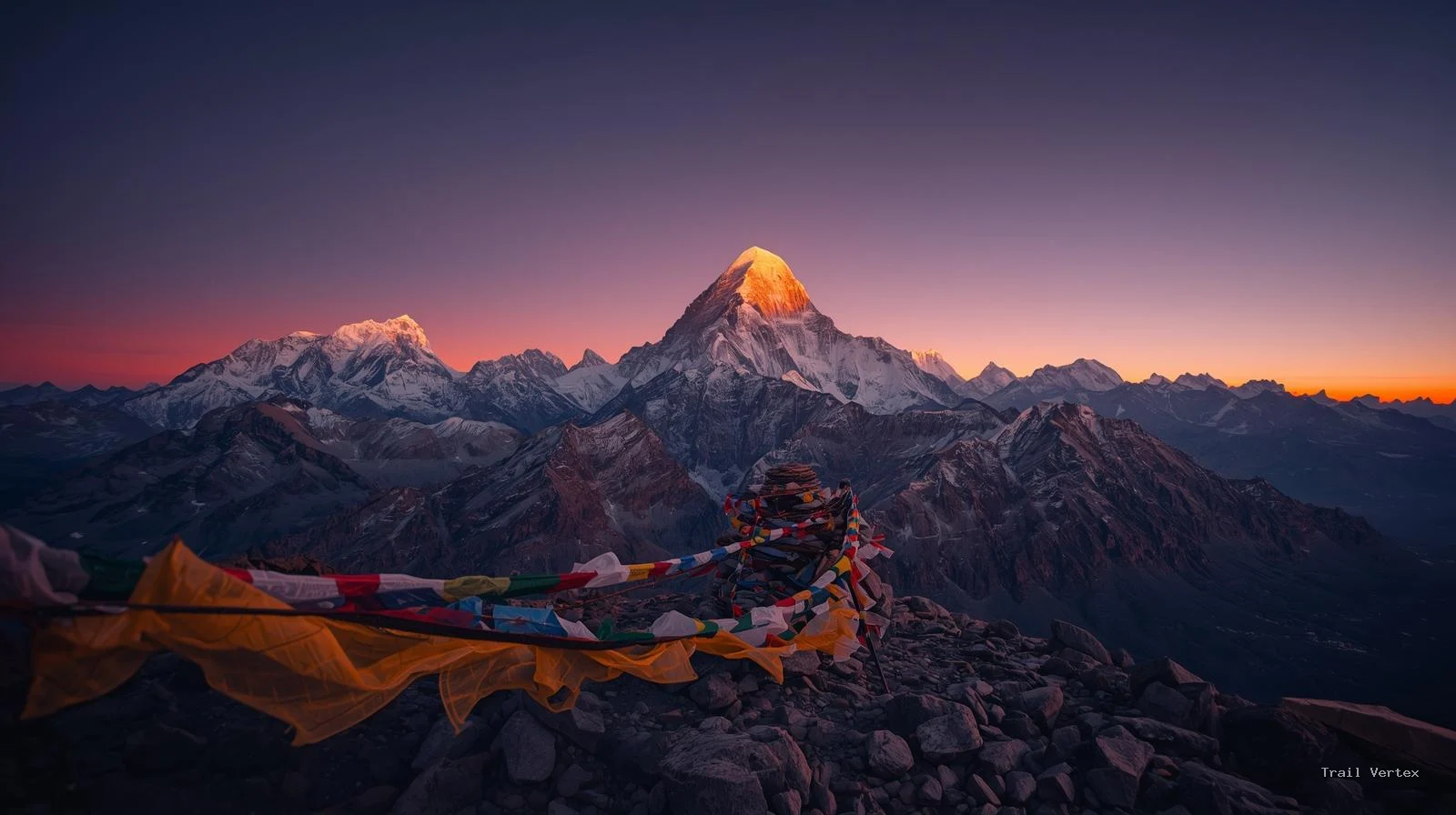
The journey itself is filled with highlights. You’ll explore the bustling hub of Namche, visit the serene Tengboche Monastery, and push higher into the stark, beautiful alpine landscape. The final push takes you to Gorakshep, the last village, before you make the unforgettable walk onto the Khumbu Glacier to stand at Everest Base Camp. For the best view of all, an early morning hike to Kala Patthar offers a sunrise over Everest you’ll never forget.
For decades, Everest has captured the world’s imagination. This 12-day trek is designed for those who want to answer that call and experience its magic, all within a well-paced, achievable timeframe. It asks for your patience and determination, and in return, every step rewards you with raw, unforgettable beauty.
Ready to walk in the footsteps of legends? Your adventure is waiting.
The Everest Base Camp trek is one of the most famous hikes in the world. Over 12 days, you'll walk through Nepal's Khumbu region, passing deep valleys, high mountain passes, and age-old trails. You'll start in green, forested areas and slowly make your way up into the raw, beautiful landscape of the high Himalayas, finishing at the ever-changing ice and rock of Everest Base Camp itself.
A lot of people ask if 12 days are enough? The answer is yes, if the schedule is smart. This trek is carefully planned to balance walking days with proper rest. Those built-in acclimatization days are key. They give your body the time it needs to adjust to the altitude, making the journey safer and more enjoyable.
Everest Base Camp Trek: The Ultimate 12-Day Himalayan Journey
Picture this: Your breath fogs in the crisp morning air. Each step forward on the ancient trail is a step further from the ordinary, deeper into a landscape of towering peaks and deep, quiet valleys. The 12-day Everest Base Camp trek isn’t a vacation. It’s a pilgrimage you feel in your legs, your lungs, and your soul. It’s the ultimate answer to the question, “What am I capable of?”
Why Go With a Guided Everest Base Camp Package?
Put simply, a good package takes the headache out of the adventure and lets you focus on the experience. Here’s how we make that happen:
1. We get the altitude right.
The key to enjoying this trek is acclimatizing properly. Our 12-day schedule has built-in rest days in Namche Bazaar and Dingboche. These aren't just days off; we’ll take you on short, easy hikes to higher spots before returning to sleep at a lower elevation. This "climb high, sleep low" method is the best way to let your body adjust safely and reduce the risk of altitude sickness.
2. No hidden costs or last-minute scrambles.
We believe in clear pricing. You’ll see exactly what’s included (your park permits, flights to/from Lukla, and teahouse lodges) and what’s not, so there are no surprise expenses. We handle all the permits and bookings well in advance.
3. You’re in safe, experienced hands.
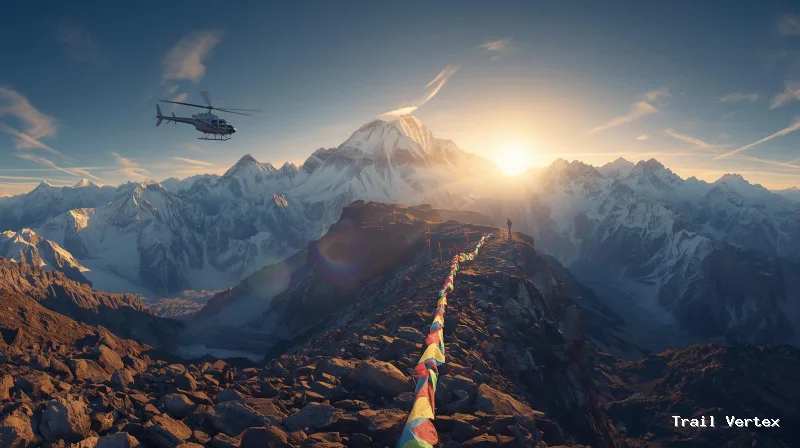
You’ll be led by a government-licensed local guide trained in first aid and altitude care. We have clear safety plans for every situation, including access to emergency helicopter evacuation (which is why travel insurance is required). We’re there to support you every step of the way.
What to Expect During the Everest Base Camp Trek?
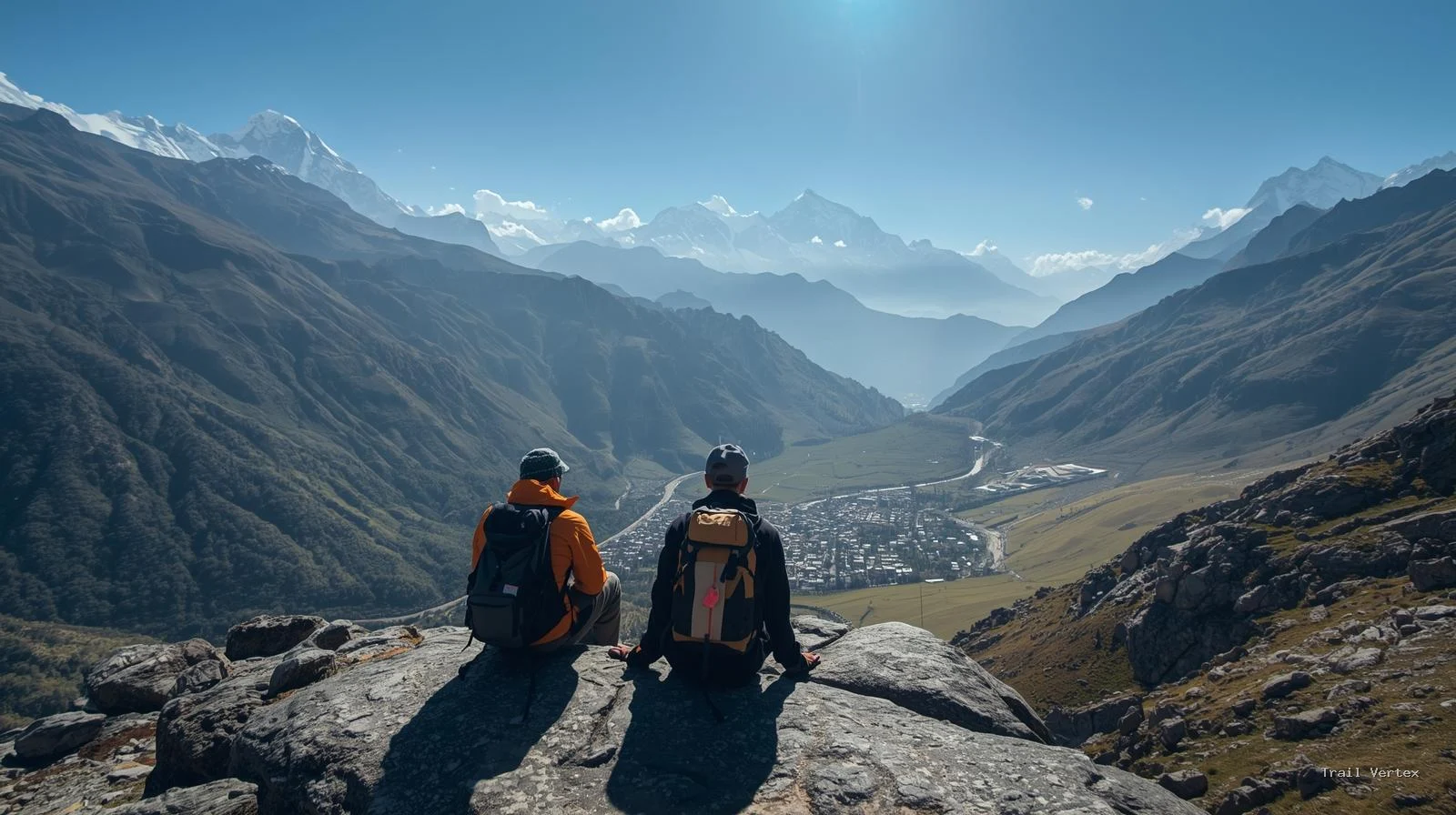
A typical day on this teahouse trek Nepal follows a rewarding rhythm. Mornings start early with tea, followed by 5-7 hours of walking, usually concluding by mid-afternoon. The daily pace allows for photography, rest, and cultural observation.
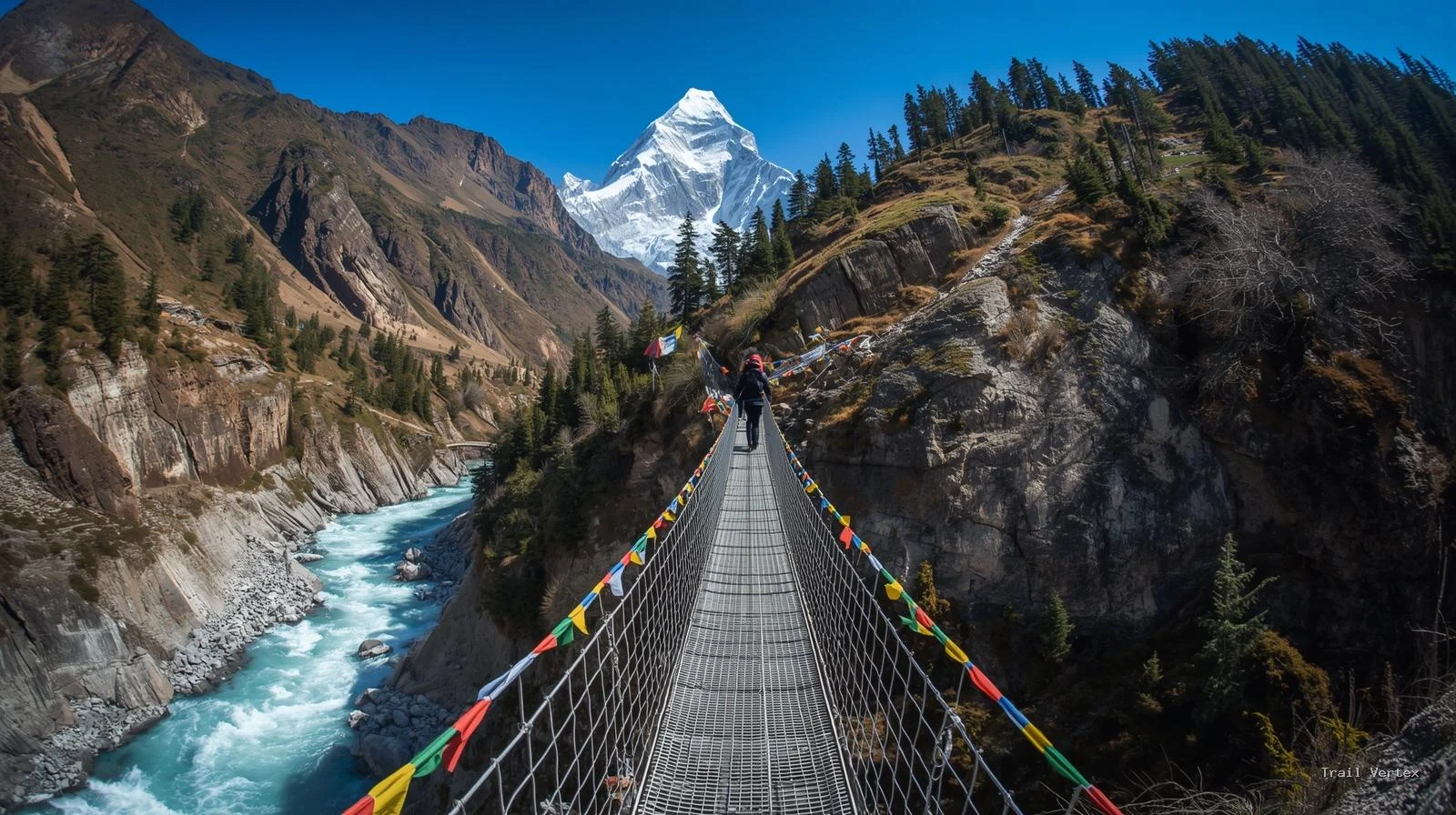
The trail itself is a varied path. It consists of well-trodden dirt tracks, stone steps built into hillsides, suspension bridges spanning roaring rivers, and rocky moraine near the summit. The Everest Base Camp trek difficulty stems from sustained altitude gain, not technical climbing.
The rewards are continuous. Expect ever-changing vistas, from subtropical forests to glacial deserts, warm interactions in Sherpa villages, and the profound satisfaction of reaching a legendary destination through personal effort.
Major Attractions of the Everest Base Camp Trek
Beyond the final destination, the journey is punctuated by iconic landmarks.
The Lukla Flight:
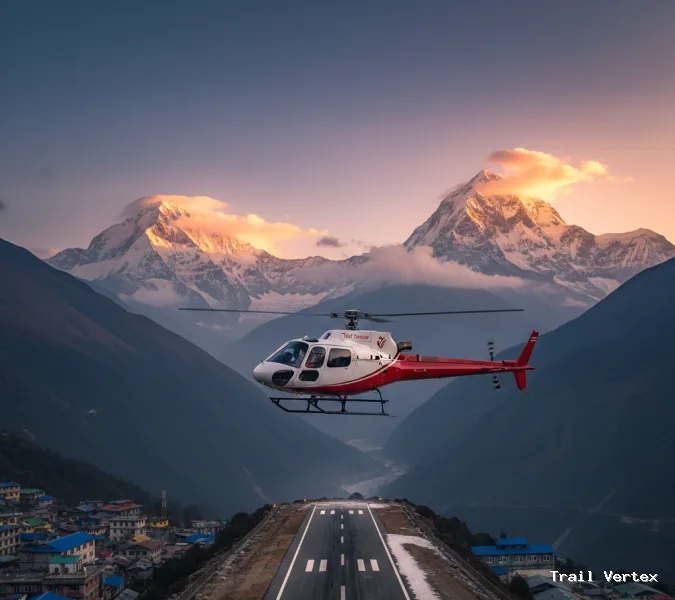
The adventure begins with a 35-minute flight into Tenzing-Hillary Airport, perched on a mountainside.
Namche Bazaar:
A bustling amphitheater of shops, cafes, and the Sherpa Culture Museum, essential for cultural context.
Tengboche Monastery:
Attend a morning prayer ceremony amidst the chants of monks with views of Ama Dablam.
The Khumbu Glacier and Icefall:
The trek from Lobuche to Gorak Shep offers a first, awe-inspiring view of this massive, frozen river.
Kala Patthar Sunrise:
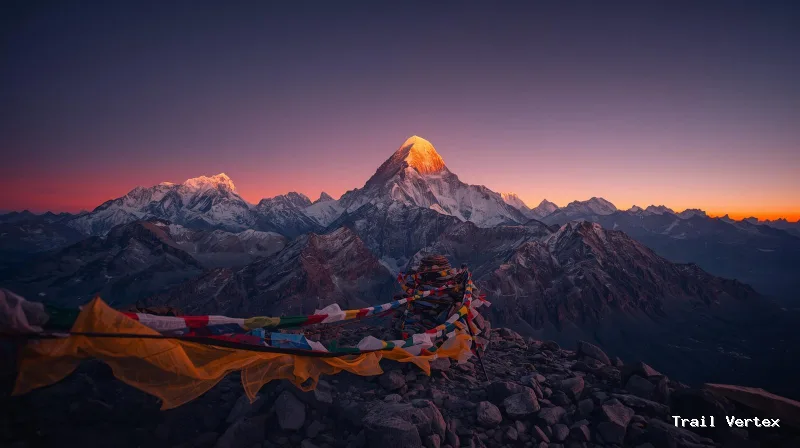
This optional pre-dawn hike is universally considered the visual highlight, offering the classic photograph of Everest’s sunlit summit.
Everest Base Camp Itself:
The dynamic site, active with expeditions in spring, features the famous “Everest Base Camp” rock and views of the Khumbu Icefall.
How Your 12-Day Trek Works: A Simple Schedule.
Think of your trek as a complete journey from the moment you land in Nepal until you fly home. Here’s how it flows:
Arrive & Get Ready
Your adventure starts in Kathmandu. We’ll meet you for a welcome dinner with a briefing to go over the trek, answer any questions, and do a final check of your gear.
Fly to the Mountains & Start Walking
We take an early morning flight to the mountain town of Lukla. This scenic trip is an experience in itself. Once we land, we’ll grab our gear and begin the trek right away.
The Final Day: Return to Kathmandu
After the trek, we'll fly back from Lukla to Kathmandu. Your last night in the city is free. This acts as a safety net for any flight delays from the mountains, and it's also a great chance for a final goodbye dinner with your group.
Is the Everest Base Camp Trek Appropriate for You?
This adventure is for those who love a challenge and are in good overall health. A positive attitude is as important as physical fitness; you'll need to be comfortable with simple accommodations, changing weather, and long days of walking.
Getting ready is key.
To enjoy the trek, we strongly suggest you train for 2-3 months beforehand. Focus on building your stamina with activities like hiking, stair climbing, or running. Carrying a daypack on your practice hikes is the best way to prepare.
A note on health.
This trek is not recommended for people with serious heart or lung conditions. If you have any health concerns, please talk to your doctor before you decide to book.
What is the Difficulty Level of the Everest Base Camp Trek?
The trek is consistently rated as moderate to challenging. The primary challenge is altitude, not technical skill. Each day involves significant ascents and descents, with the final stages conducted above 5,000 meters, where oxygen is scarce.
The difficulty of the Everest Base Camp trek is managed through the itinerary design. The 12-day format, with its built-in acclimatization days on the Everest Base Camp trek, allows the body time to adapt, making the challenge physiological rather than purely physical. A steady, slow pace is the most effective strategy for success.
Outline: Everest Base Camp Trek 12-Day Itinerary
- Day 1: Fly Kathmandu to Lukla, trek to Phakding
- Day 2: Trek Phakding to Namche Bazaar
- Day 3: Acclimatization day in Namche Bazaar
- Day 4: Trek Namche Bazaar to Tengboche
- Day 5: Trek Tengboche to Dingboche
- Day 6: Acclimatization day in Dingboche
- Day 7: Trek Dingboche to Lobuche
- Day 8: Trek Lobuche to Gorak Shep, visit Everest Base Camp, overnight Gorak Shep
- Day 9: Hike to Kala Patthar, trek to Pheriche
- Day 10: Trek Pheriche to Namche Bazaar
- Day 11: Trek Namche Bazaar to Lukla
- Day 12: Fly Lukla to Kathmandu
Essential Trekking Information
Required Documents:
A valid passport with at least 6 months remaining validity, Nepali tourist visa, proof of comprehensive travel insurance, and 4 passport-sized photos for permits.
Travel Insurance:
This is non-negotiable. The policy must explicitly cover trekking up to 6,000 meters and include emergency helicopter evacuation and medical repatriation. Proof must be carried.
Visa Process:
You can easily get your tourist visa at the Kathmandu Tribhuvan International Airport. It costs about $50 USD for a 30-day stay. If you want to skip the line, you can fill out the application online before you fly.
Best Time to Visit Everest Base Camp
The best time to trek to Everest Base Camp falls within two primary seasons, each with distinct advantages:
Spring (March to May):
Stable, warmer weather. Clear skies offer excellent visibility. The trails are lively with expeditions, and rhododendron forests are in full bloom.
Autumn (September to November):
Considered the prime season. Post-monsoon air is crystal clear, providing stunning mountain views. Days are pleasant, though nights become cold.
Shoulder Seasons:
Winter (December to February):
Very cold, especially at night, but days can be clear and sunny. Fewer crowds.
Monsoon (June to August):
Landscapes are green, but clouds obscure views. Trails can be muddy, and flights to Lukla are more prone to disruption.
Local Culture and Religion in the Everest Region
The Khumbu region is the homeland of the Sherpa people, renowned for their mountaineering prowess and Buddhist faith. Tibetan Buddhism permeates daily life, evident in mani walls, prayer wheels, and colorful flags.
Cultural respect is paramount. Always walk clockwise around stupas and mani stones. Seek permission before photographing people, especially monks. Dress modestly, and remove shoes before entering monasteries. A respectful attitude enriches the experience for everyone.
Accommodations During the Trek
Your home-away-from-home in the mountains will be a traditional teahouse lodge. These aren’t fancy hotels; they're simple, welcoming places run by local Sherpa families. Think of them as cozy mountain huts full of character.
You'll stay in a basic twin-share room with a couple of beds. The walls are thin, so packing earplugs is a smart move for a good night's sleep. Bathrooms are typically shared and located in the hallway, keeping things simple and communal.
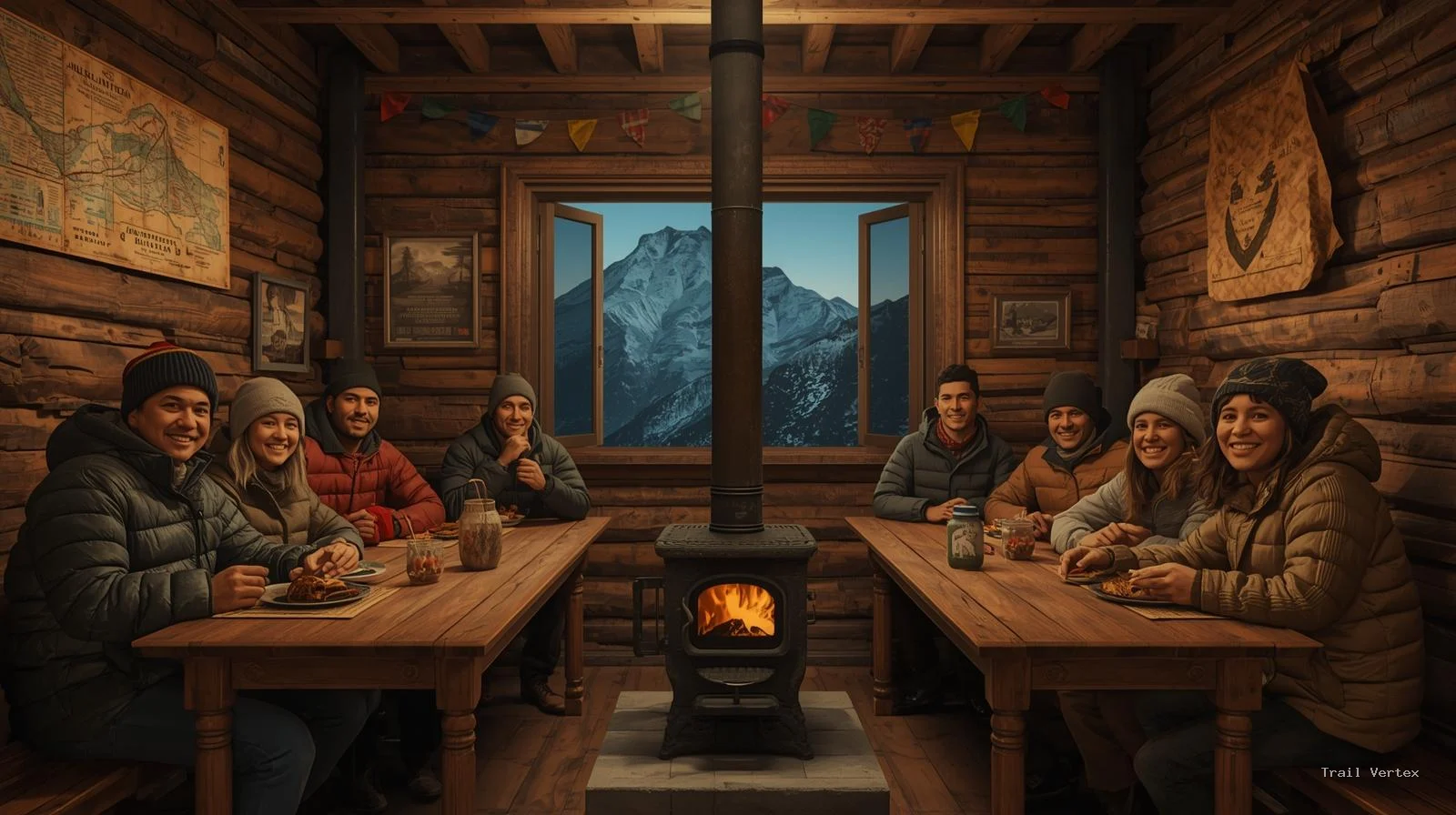
But the real heart of the teahouse is the dining hall. This is where everyone gathers in the evenings. It’s warmed by a central stove (often the only heated spot!), making it the perfect place to relax, share stories with fellow trekkers over a hot meal, and soak in the incredible sense of community. This experience is a cherished part of the journey itself.
For your nights in Kathmandu, before and after the trek, you’ll be in a comfortable, tourist-class hotel on a twin-share basis, offering a warm shower and a proper bed to bookend your adventure.
Food and Beverage Options Available During the Everest Base Camp Trek
You’ll get to enjoy a tasty mix of local and familiar foods along the way. While classic Nepalese and Tibetan dishes are the heart of the menu, the trail is well-traveled, so you’ll also find Western favorites and even fresh bakery treats in some of the larger villages.
The menu is surprisingly varied. Here’s a taste of what you can expect:
Breakfast:
Oatmeal, pancakes, toast, eggs (cooked any way), Tibetan bread, chapati, or a hearty rice pudding to start your day.
Lunch & Dinner:
You can enjoy everything from the national staple of Dal Bhat (a delicious and filling plate of rice, lentils, and veggies) to warming soups, noodles, pasta, momos (dumplings), and even pizza or burgers in some spots. Don’t miss trying a local specialty like Sherpa stew or yak steak.
Drinks:
Stay hydrated and warm with plenty of tea, ginger lemon honey is a trekkers’ favorite! You’ll also find hot chocolate, fresh juices, and basic coffee.
A Few Friendly Tips:
- It’s a great idea to pack some energy snacks like nuts or protein bars for a quick boost during the day’s walk.
- While beer and other alcohol are available at teahouses, we strongly advise against drinking them (and suggest going easy on coffee, too). Both can dehydrate you, which increases the risk of altitude sickness.
- Smoking is also not recommended during the trek for your health and safety.
The food is hearty, the tea is plentiful, and a warm meal at the end of a long day is one of the trek’s great pleasures.
Trekking to EBC: Acclimatization and Communication
The true magic of a trek isn't just about reaching a destination; it's about adapting to the rhythm of the mountains. This means embracing the cooler temperatures, the breathtaking landscapes, the local traditions, and even the hearty meals. A big part of this is acclimatization.
We carefully design our treks to ascend slowly, avoiding climbing more than about 800 meters on most days to allow your body to adjust safely and reduce the risk of altitude sickness. It’s a journey, not a race. Taking it slow, making plenty of stops, and truly absorbing your surroundings is the best way to adapt.
And remember, your guide is there for so much more than just leading the path. Feel free to ask questions! Learn about the local culture, traditions, and way of life. These conversations will turn beautiful scenery into a meaningful experience.
Food, Health, and Staying Connected
Staying Healthy
To keep feeling your best, it’s wise to avoid foods or drinks that might upset your system, as things like stomach issues or dehydration can be amplified on the trail. Most importantly, please let us know about any food allergies or dietary restrictions (like being vegetarian or not eating gluten) before you book. This way, we can talk to the teahouses in advance and make sure you have good options. Communication is key to a comfortable journey.
Facilities on the Trail: Power and Internet
Please be prepared for simple, rustic facilities. This is a remote mountain region, and modern conveniences are limited.
Electricity:
Power can be scarce and is sometimes only available in the common dining area. A power bank is essential for charging your phone, camera, and headlamp. Some lodges may charge a small fee (usually $2-$5) to recharge devices using their solar panels or generators.
Internet:
While many teahouses now offer paid Wi-Fi cards, the signal can be slow and unreliable. Expect periods with no service. Mobile data (Nepal Telecom) works in patches but is not consistent. Think of this as a wonderful chance to disconnect, but always inform loved ones that you may be out of touch for a few days at a time.
Toilet and Washing Facilities at the Everest Base Camp
Here’s the real scoop on what your teahouse will have (and what it won’t), so you know exactly what to expect.
Hot Showers
Yes, most lodges offer a hot shower, but let's call it an "adventure shower." It might be a regular stall or sometimes just a bucket of heated water. However, at higher altitudes, hot water is a precious resource, and can run out, especially if many people want it. To be kind to both the environment and other trekkers, please be mindful of your use unless the lodge uses solar heating.
Doing Your Laundry
You can do a quick wash of your clothes. Each lodge will have a sink or a designated washing area, but you’ll need to bring your own small bar of biodegradable soap. If the tap water is freezing, your guide can usually help get you a bowl of warm water for washing up.
The Bathrooms
This is the part where you embrace the local experience. Toilets are almost always the Asian squat style. They are typically shared and located just outside your room, sometimes in a separate building.
A couple of important notes:
- Standards of cleanliness can vary greatly, especially as you go higher. Pack hand sanitizer.
- Crucially, toilet paper should never be flushed. There will always be a small waste bin next to the toilet for used paper. Please use it to avoid clogging the very basic plumbing.
By knowing what to expect, you can pack a few small items (like soap and hand sanitizer) and relax into the simple, rustic rhythm of life on the trail.
Everest Base Camp Trekking Tips for Females
The trek is safe and welcoming for female trekkers. For hygiene, pack a sufficient supply of menstrual products, as they are unavailable on the trail. Ziplock bags for disposal are useful. Modest, practical clothing is recommended for cultural respect and sun protection. Trekking within a guided group trek to Everest Base Camp offers additional security and camaraderie. Quality, broken-in boots are the most important item to prevent blisters.
Altitude Sickness: What You Need to Know
Altitude sickness (or AMS) is a very real possibility for anyone climbing above about 3,300 meters (10,000 ft). It’s your body’s natural reaction to lower oxygen levels and air pressure, and it’s nothing to be embarrassed about. The key is knowing the signs and how to handle them.
What to Watch For
The symptoms can feel a lot like a bad hangover or the flu. Tell your guide right away if you experience:
- A persistent headache or dizziness
- Feeling nauseous or vomiting
- Unusual tiredness or exhaustion
- Trouble sleeping, even when you’re tired
- Loss of appetite
- Feeling irritable or short of breath
How to Prevent It
Our entire itinerary is designed to help you acclimatize safely. You can help your body adjust by following these simple tips:
- Go slow. This is the golden rule. There’s no prize for speed.
- Drink lots of water. Staying hydrated is crucial; aim for 3-4 liters a day.
- Eat well. Keep your energy up with regular meals, even if you’re not super hungry.
- Dress properly. Staying warm and dry helps your body manage stress.
What to Do If You Feel Unwell
Listen to your body. If you feel any symptoms, tell your guide immediately. Don’t try to “tough it out.” The best and most common remedy is to stop, rest, and drink water. Sometimes, descending just a few hundred meters can make a world of difference.
Your guide is trained to recognize AMS and will give you clear, simple instructions. Following their advice is the fastest way to feel better and ensure everyone stays safe.
Frequently Asked Questions (FAQs)
1. How much spending money will I need on the trek?
We recommend budgeting $30–$40 USD per day. This covers things like bottled water, snacks, hot showers, Wi-Fi cards, charging your devices, and the occasional souvenir. It’s best to bring a mix of small U.S. bills and Nepali rupees, you’ll use both.
2. I have dietary restrictions. Can you accommodate me?
Absolutely. Vegetarian meals are easy and standard on the trail. For vegan, gluten-free, or other specific needs, just tell us during booking. We’ll give the teahouses a heads-up so they can prepare. The menus are pretty varied, so you won’t go hungry!
3. What’s the deal with luggage weight?
The flight to Lukla has strict limits: 15 kg for checked luggage and 5 kg for your carry-on. Your porter will carry one duffel bag for you, maxing out at 20 kg. Packing light is an art, we can give you tips!
4. What if my flight to Lukla gets delayed by the weather?
Weather delays happen, it’s part of mountain travel. That’s exactly why we build an extra night in Kathmandu into the schedule. If we get delayed, we’ll adjust the plan. Any extra hotel or meal costs in Kathmandu or Lukla during the delay would be on your own, though.
5. Can I trek solo without a guide?
Nepal’s rules require all trekkers in national parks to be with a licensed guide or a registered group. Going with a guide isn’t just about following rules, it’s safer, you learn so much more about the culture, and honestly, it’s a lot more fun to share the experience.
6. I’m worried about getting sick or hurt. What’s your safety plan?
Your guide is trained in wilderness first aid and carries a medical kit. In a serious situation, helicopter evacuation is the standard and fastest response. This is non-negotiable: you must have travel insurance that covers high-altitude trekking and emergency evacuation. It’s for your safety and our peace of mind.
7. Is the water safe to drink?
Don’t drink straight from the tap. You can buy bottled water, but to cut down on plastic, we recommend bringing purification tablets or a filter. You can use them on boiled water (provided at teahouses) or stream water, your guide says is safe.
8. How hard is the altitude going to hit me?
Altitude affects everyone, but our whole itinerary is built to help your body adjust slowly. The acclimatization days are your best friend. The real tricks? Go slow, drink water constantly, and tell your guide the moment you feel off. It’s not a sign of weakness, it’s being smart.
9. Will I freeze? What should I pack for temperatures?
You’ll experience a wide range! Kathmandu is mild (around 20–25°C/68–77°F). On the trail during the day, it’s usually cool and pleasant (10–15°C/50–59°F). At night, especially in Gorak Shep, it gets seriously cold, down to -10°C (14°F) or colder. Layers are everything, we’ll send you a detailed packing list.
10. Is there an age limit for the trek?
There’s no official limit. We’ve had fit, determined folks in their 20s and their 70s complete it. It comes down to your overall fitness and health. Anyone under 18 needs a guardian, and we strongly recommend older trekkers get a doctor’s okay before booking.
11. I’m traveling alone. Will I feel out of place?
Not at all! Most of our groups are made up of solo travelers. You’ll share a room with someone of the same gender, and the teahouse dining room is where everyone bonds. Many people arrive alone and leave with lifelong friends.
12. What if I’m the slowest person in the group?
Then you’ll have the best view of everyone ahead of you! Seriously, this isn’t a race. We go at a steady, manageable pace for the entire group. Your guide will always be with you, and the motto is slowly, slowly. It’s about finishing together.
13. Can I charge my electronics on the trek?
Yes, but it comes with an “asterisk.” Power is scarce, especially higher up. A power bank is a must. Some teahouses have solar panels or generators and may charge a small fee ($2–5) to plug in. The dining area is usually the only spot with sockets.
14. How do I handle laundry?
You can hand-wash basics in the sink. Bring a small bar of biodegradable soap. If the water is freezing, ask your guide, they can usually get you a bowl of warm water for washing up. Don’t expect anything to dry quickly, so quick-dry fabrics are your friend!
Still have a question? That’s what we’re here for. [Contact us] or send an email, we love talking about the trek and will get you a real, human answer.
Ready to Embark on This Adventure? Book Your 2026/27 Departure Now.
This 12 Day Everest Base Camp Trek package offers a structured, safe, and deeply rewarding path to the foot of the world's highest mountain. With logistics managed and a focus on acclimatization, the journey allows for full immersion in the stunning landscapes and rich culture of the Himalayas.
Book Your Everest Base Camp Trek 12 Days Today